2026-05-05 · By Robert Katona
Plan México Acciones: What May 4 Changes for Foreign Investors.
Key takeaways
- On May 4, 2026, Mexico made strategic-project authorization binding at 30 days and all other federal investment procedures at 90 days, with automatic approval if a deadline is missed.
- The decree consolidates more than 130 foreign-trade procedures into one digital single window built on VUCEM, so importers and exporters present requirements once.
- Plan México Acciones anchors an estimated MX$5.6 trillion investment push and pairs procedural speed with the January 2025 fiscal decree's 41 to 91 percent immediate fixed-asset deduction.
- The incentive cap of 30 billion pesos rewards companies that file early and clean; those that wait compete for residual allocation under a more crowded permit queue.
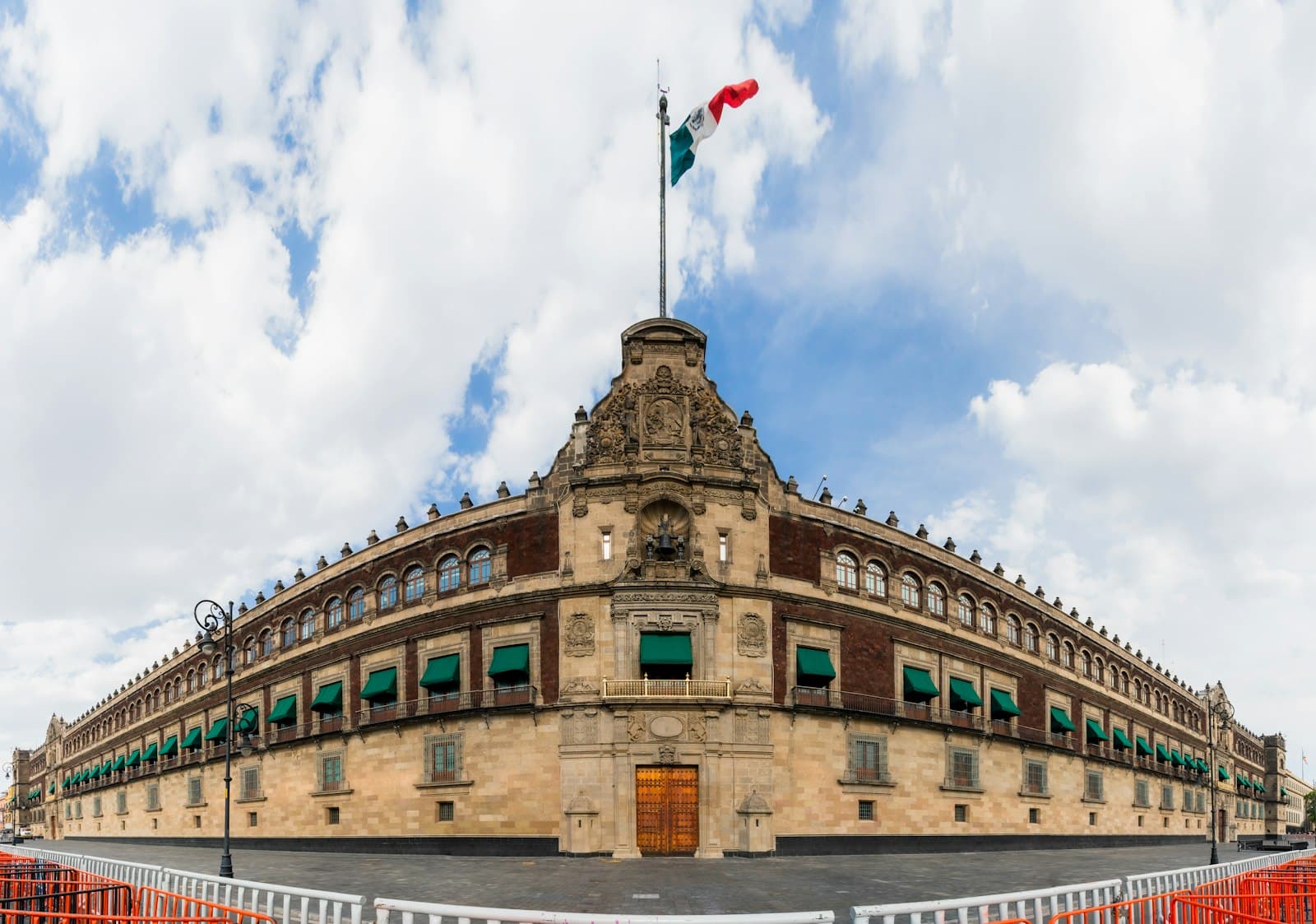
On Monday, May 4, President Claudia Sheinbaum signed a package of decrees at the National Palace that rewrites the operational rules for investing in Mexico. The headline numbers are concrete. Strategic projects authorized within 30 days. Federal procedures resolved within 90 days. Automatic approval if the deadline is missed.
The package, branded Plan México Acciones, sits underneath the broader Plan México strategy launched in January 2025. What changed on May 4 is execution. Bureaucratic friction, the single most cited obstacle in foreign investor surveys for two decades, is now bound by statutory deadlines.
This is happening against a backdrop most foreign press has been slow to read. Mexico's economy contracted at the start of the year, and nearshoring announcements fell roughly 78 percent year-on-year in the first quarter of 2026. Yet Mexico jumped six places in Kearney's 2026 FDI Confidence Index, tied with Singapore for the largest gain globally. The decree is the government's response to the gap between confidence and execution.
What does the decree actually do?
Three operational rules are now binding.
First, projects designated as strategic must be authorized within 30 days. The criteria for strategic designation cover sectors prioritized under Plan México, including semiconductors, electric vehicles, pharmaceuticals, aerospace, electronics, and select agroindustrial categories.
Second, all other federal investment procedures must be resolved within 90 days. If no response is issued within that window, the project is automatically approved under what Mexican administrative law calls silencio administrativo positivo. The rule was described concisely on launch day by Digital Transformation coordinator José Antonio Peña Merino: investments may be executed immediately.
Third, a single window for foreign trade now consolidates more than 130 procedures into one digital channel, building on the existing VUCEM infrastructure. A unified file means importers and exporters present requirements once and track every permit, license, authorization, and registration through a single point of accountability.
This sits on top of the investment ventanilla única launched on April 21, which already consolidated municipal, state, and federal investor approvals into one digital portal. The May 4 layer adds enforceable timelines and the foreign trade dimension.
What is the tax layer most investors have not run the numbers on?
The fiscal foundation under all of this is the decree of January 21, 2025, which established immediate deductions of 41 to 91 percent on new fixed-asset investments acquired between January 22, 2025 and September 30, 2030. The percentage depends on asset class and economic activity. Construction sits at up to 86 percent for the 2025 to 2026 window, dropping to 83 percent for 2027 to 2030. Machinery and equipment classes run higher. Railway investments run lower.
The total cap on incentives is 30 billion pesos, of which 28.5 billion is allocated to fixed-asset deductions and 1.5 billion to additional deductions for employee training and innovation. The cap is a real constraint. Companies that file early and clean will receive certainty. Companies that wait will compete for residual allocation.
Read together, the May 4 procedural decree and the January 2025 fiscal decree compress the payback period for greenfield projects in Mexico in a way that is genuinely material. A facility that would have taken nine to fourteen months to permit under the old regime now operates under a binding 90-day clock. The same facility's depreciable base is recoverable in the year of acquisition rather than over five to ten years. Our analysis of Mexico corporate tax for foreign companies covers the broader fiscal context.
What does this mean for foreign investors?
The 30- and 90-day deadlines are policy promises until proven otherwise. Mexican administrative practice has historically struggled to enforce statutory windows. The test will come in the third and fourth quarters of 2026, as the first wave of post-decree applications cycles through.
Three actions are time-sensitive.
Audit your project pipeline against the strategic-sector list. Projects that qualify for 30-day status will move through approvals at a fundamentally different pace than projects that do not. Bills of materials, product classifications, and corporate structure all influence the determination, and these are levers a competent advisor can pull during planning rather than after submission.
Run the deduction math against your capex plan. The 41 to 91 percent immediate deduction is a one-shot opportunity. A facility commissioned in 2026 captures the higher band. A facility commissioned in 2027 captures the lower. The interaction with IMMEX program eligibility and shelter arrangements is technical and should be modeled before final structure is set.
Position to use the foreign trade single window before the full migration completes. Companies that file under the integrated VUCEM procedure list today will have cleaner audit trails than companies that complete late-stage migrations. As we covered in our analysis of HS code exposure, classification accuracy carries downstream consequences across rules of origin and refund eligibility.
The Quiet Truth
Plan México Acciones is not a marketing announcement. It is statutory rebar laid underneath the political layer of the USMCA review, the May 25 bilateral negotiating round, and the July 1 deadline. The Sheinbaum government is signaling, in the form most legible to foreign capital, that the operational environment for investing in Mexico is being normalized in advance of whatever framework emerges from the trilateral.
The companies that complete site selection diligence, deduction modeling, and entity structure work this quarter will operate under the new rulebook from day one. The companies that wait will be running the same calculations under a more crowded permit queue.
if this raises questions about your own mexico strategy, we're here to talk.
Frequently asked questions
What does Plan México Acciones change for foreign investors?
Signed May 4, 2026, it binds strategic-project authorization to 30 days and other federal investment procedures to 90 days, with automatic approval if a deadline lapses. It also consolidates over 130 foreign-trade procedures into one digital single window built on the existing VUCEM platform.
What is silencio administrativo positivo under the May 2026 decree?
It means that if a federal investment procedure receives no response within the 90-day window, the project is approved automatically and may be executed immediately. The rule converts a historically open-ended waiting period into an enforceable statutory clock favoring the investor.
How large is the Plan México fixed-asset deduction?
The January 21, 2025 fiscal decree allows immediate deductions of 41 to 91 percent on new fixed assets acquired between January 22, 2025 and September 30, 2030. The percentage depends on asset class and activity, and total incentives are capped at 30 billion pesos.
Which sectors qualify for 30-day strategic authorization?
Sectors prioritized under Plan México, including semiconductors, electric vehicles, pharmaceuticals, aerospace, electronics, and select agroindustrial categories. Bills of materials, product classifications, and corporate structure all influence whether a project meets the strategic designation criteria.

Robert Katona is the founder of Calder & Vale, a cross-border advisory firm working across all of North America. He advises operators, investors, and institutions on market entry, partner selection, and growth strategy throughout the region.
Questions about your Mexico strategy?
if this raised questions, let's talk. thirty minutes, no pitch, just clarity on your next step.
book a call